

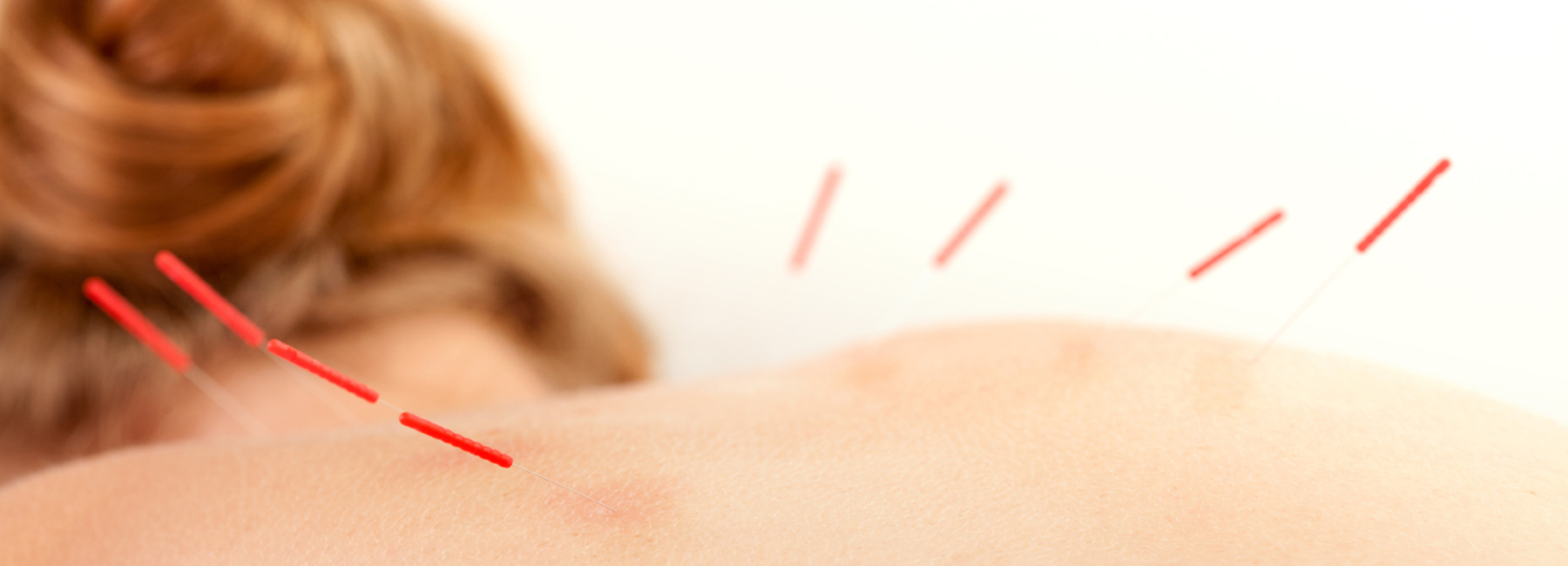
Chronic lower back pain ranks among the most common reasons adults seek any kind of care. Acupuncture has moved from the fringes into mainstream treatment guidelines for this condition, with major medical organizations now listing it among first-line non-drug options.
Why Lower Back Pain Is So Stubborn
The lumbar spine carries enormous mechanical load and is innervated by overlapping nerve roots, making pain sources hard to localize. Disc changes, facet joint irritation, muscular guarding, and central sensitization can coexist. This complexity is partly why single-modality treatments often fail and why broader approaches like acupuncture may offer something pharmacology alone cannot.
Guideline Recommendations
The American College of Physicians and the United Kingdom’s NICE guidelines both list acupuncture as an option for chronic lower back pain before progressing to long-term medication. This represents a notable shift driven by accumulating systematic reviews showing modest but real reductions in pain and functional impairment.
Local and Distal Points
Local needling along the bladder channel beside the spine addresses muscular tension and reflex pain. Distal points on the hands, legs, and feet are used based on traditional channel theory and often produce surprisingly potent effects on lumbar discomfort. Many practitioners combine both for layered relief.
Treatment Course Expectations
Initial improvement may appear after two or three sessions, but lasting change typically requires six to ten treatments. Patients with pain lasting many years tend to need more sessions than those who begin care earlier. Honest practitioners will reassess after a defined trial rather than committing patients to indefinite weekly visits.
Supporting Movement and Function
Even effective acupuncture works better alongside graded movement. Walking, gentle strengthening, and posture awareness reinforce gains made on the table. Patients who treat acupuncture as a passive fix often relapse, while those who use the calmer pain window to rebuild activity tend to do far better long term.
For additional reading from authoritative health sources, see NCCIH on acupuncture effectiveness.